
Nutrition for Depression: A Registered Dietitian's 7-Day Meal Plan Based on the SMILES Trial
Updated: Jul 20
Nutrition for Depression: The Missing Piece of the Puzzle
If you're living with depression, you may experience persistent low mood, fatigue, low energy, brain fog, difficulty concentrating, changes in appetite, sleep disturbances, or loss of motivation. These symptoms can make grocery shopping, cooking, and eating balanced meals feel overwhelming, creating a cycle that's difficult to break. While depression can have many causes, nutrition is one important piece of the puzzle that's often overlooked in depression care.
Can Nutrition Help Depression? What the Research Says
While nutrition alone cannot treat depression, research suggests that following a Mediterranean-style dietary pattern may help reduce depressive symptoms. The nutrients we eat support neurotransmitter production, brain health, inflammation, and the gut-brain connection, making nutrition an important area of research in mental health.
The SMILES Trial is considered one of the most important studies investigating whether diet can help depression. Researchers wanted to know whether improving diet quality could reduce symptoms of major depressive disorder.In this article, I'll explain what the study found, why it matters and how you can apply its findings in everyday life - including a practical 7-Day Depression Meal Plan with breakfast, lunch, dinner and snacks
for each day.
What Is the SMILES Trial?

The SMILES trial (Supporting the Modification of Lifestyle in Lowered Emotional States) is an Australian study published in 2017 aimed to see if a Mediterranean-style diet could help people with moderate to severe depression (1). This groundbreaking study was one of the first randomized controlled trials to show that a healthier diet could significantly improve depression symptoms.
Researchers divided participants with depression into two groups:
Dietary Support Group: Participants in this group received nutritional counselling and guidance to follow a modified Mediterranean diet rich in whole foods like vegetables, fruits, whole grains, legumes, nuts, and fish.
Social Support Group: This group received social support sessions but no dietary guidance.
The trial lasted 12 weeks, and researchers assessed changes in depressive symptoms at the end.
Can Nutrition Improve Depression? Results of the SMILES Trial
At the end of the trial, participants who followed the Mediterranean diet saw a significant improvement in their depression symptoms. In fact, about 32% of those in the dietary support group achieved remission vs. only 8% of participants in the social support group. What's more interesting, is that these improvements in depressive symptoms were independent of changes in weight, BMI or physical activity. This highlights the role of dietary improvement as a practical and powerful strategy for treating major depressive episodes.

Figure 1. Depression Diet Blueprint. Summary of the evidence-based nutrition for depression recommendations from the SMILES Trial, including the Mediterranean-style eating pattern, recommended food groups, serving frequencies, and portion sizes associated with improved depressive symptoms.
Best Foods for Depression (According to the SMILES Trial)
1. Vegetables (5-8 servings/day)

Vegetables are rich in vitamins, minerals, antioxidants, and fiber, all of which support mental well-being by protecting the brain from oxidative stress, reducing inflammation and improving gut health. Vegetables such as leafy greens, are also rich in B vitamins like folate, which are important players in the formation of mood-regulating brain chemicals called neurotransmitters (2).
One serving of vegetables is typically defined as:
1/2 cup of cooked vegetables (such as steamed broccoli or sautéed spinach)
1 cup of raw vegetables (such as leafy greens or chopped carrots)
2. Fruit (3 servings/day)
Fruits are rich in vitamins like vitamin C, antioxidants, and fiber, which help reduce oxidative stress and inflammation—key factors that contribute to depression. Certain fruits, like berries, are particularly known for their mood-enhancing properties due to their high levels of flavonoids, which have been shown to improve cognitive function and reduce symptoms of anxiety and depression.

One serving of fruit is typically defined as:
1 medium-sized piece of fruit (such as an apple, banana, orange, or pear)
1/2 cup of fresh, frozen, or canned fruit (without added sugar)
1/4 cup of dried fruit (such as raisins or apricots)
3. Whole Grains (5-8 servings/day)

The study encouraged high-fiber whole grains including foods such as oats, quinoa, brown rice, and whole wheat. Whole grains offer a slow release of blood sugar, which can help stabilize mood and energy levels. Check out a handy guide for navigating the glycemic index of foods here.
One serving of whole grains is typically defined as:
1/2 cup of cooked whole grains, such as brown rice, quinoa, barley, or oats
1 slice of whole grain bread
1/2 cup of whole grain pasta
1 small whole grain tortilla
1 ounce (about 1/4 cup) of whole grain cereal or granola
4. Legumes (3-4 servings/week)

Legumes, such as beans, lentils, and chickpeas, are high fermentable fibers. Fermentable fiber refers to a type of fiber that our gut bacteria can break down, or "ferment," to produce beneficial compounds called short-chain fatty acids (SCFAs). These SCFAs, particularly butyrate, support gut health by reducing inflammation and strengthening the gut lining. A healthy gut is linked to better mental health, as gut bacteria communicate with the brain through the "gut-brain axis." Bacteria in our gut also make neurotransmitters like GABA and serotonin, which play key roles in our mental and emotional health.
One serving of legumes is typically defined as:
1/2 cup of cooked beans, lentils, or peas (such as black beans, chickpeas, kidney beans, or lentils)
1/4 cup of dried legumes (before cooking)
5. Low-fat and unsweetened dairy foods (2-3 servings/day)
Dairy is a rich source of calcium, which is crucial for nerve function and the regulation of neurotransmitters that affect mood and stress levels. Dairy also contains vitamin D, deficiencies in which has been linked to depressive symptoms.

One serving of dairy typically looks like:
1 cup (8 ounces) of milk or unsweetened plant-based milk (such as almond, soy, or oat milk, preferably fortified with calcium and vitamin D)
1/2 cup of plain, unsweetened yogurt
1 ounce (about 1 slice or 1 small wedge) of cheese

6. Nuts & Seeds (1 serving/day)
Nuts are rich in omega-3 fatty acids, antioxidants, B vitamins and magnesium. Omega-3s, especially in walnuts, support brain cell function and reduce inflammation, while antioxidants protect against oxidative stress linked to mood disorders. Nuts, particularly almonds, also provide B vitamins, like folate and B6, which are essential for neurotransmitter production, including serotonin and dopamine. Moreover, nuts like Cashews, almonds, and peanuts are good sources of magnesium, a mineral essential for regulating the nervous system and supporting the body's stress response.
A typical serving size of nuts is about 1 ounce (28 grams), which roughly equals:
1/4 cup of whole nuts (like almonds, cashews, or walnuts)
1 small handful of nuts
7. Fatty Fish (2x/week)

Fish, particularly fatty fish like salmon, anchovies, herring, mackerel and sardines, play a key role in reducing depression and supporting mental health due to their high levels of omega-3 fatty acids (particularly EPA and DHA). These omega-3s support brain function, reduce inflammation and improve neurotransmitter function.
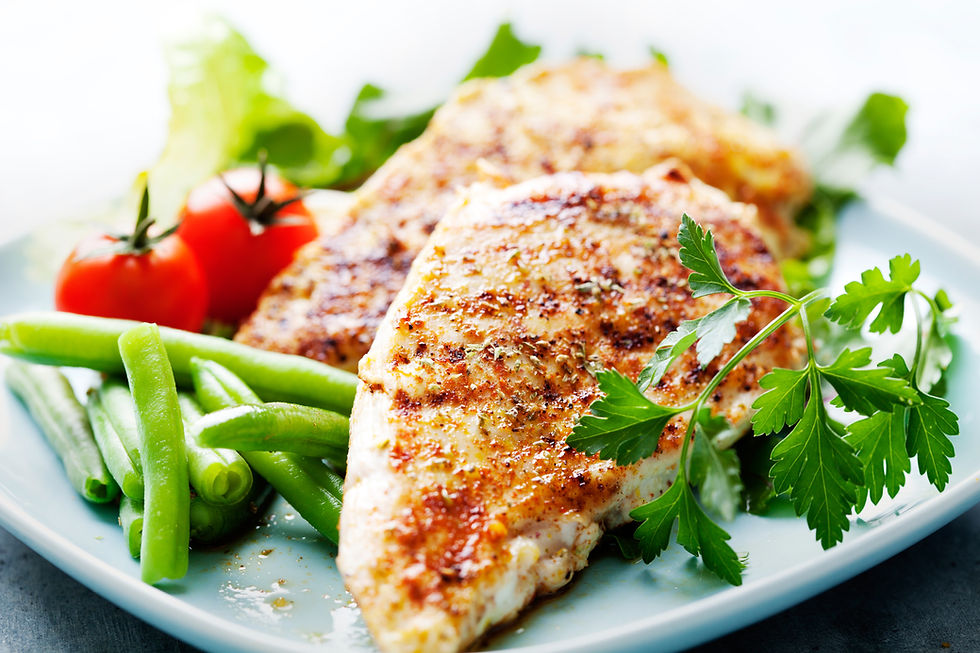
8. Lean protein (red meat 3-4x/week, chicken 2-3x/week)
As mentioned in my recent blog post on high protein diets for depression, protein sources like lean meat provide the building blocks for creating neurotransmitters. Therefore, a deficiency in protein leads to an imbalance in neurotransmitter levels and consequently, depression symptoms.
A typical serving of protein is generally considered to be around:
3-4 ounces (85-113 grams) for meat, poultry, or fish
9. Eggs (up to 6 per week)

Eggs are rich in choline. Choline is crucial for producing acetylcholine, a neurotransmitter that supports learning and memory. Due to its role in learning, inadequate choline intake can lead to symptoms like poor concentration, forgetfulness, and memory loss - symptoms often present with depression. Given that the body produces only small amounts of choline, dietary sources like eggs are necessary to meet daily needs for optimal mental health and brain function. Participants in the study ate up to 6 eggs per week.
10. Include Olive oil (3 tbsp/day)

Olive oil is very high in monounsaturated fats. The monounsaturated fats, especially oleic acid, help reduce inflammation in the brain, which is often linked to depression.
Nutrition for Depression: Foods to Limit
Individuals in the trial limited intake of Processed foods and sugars including sweets, added sugars, fried foods, fast food, processed meat and sugary drinks to max 3x/week. Examples of these foods include:
Fast foods: burgers, fries, fried chicken, pizza, hot dogs
Processed meats: bacon, sausage, pepperoni, salami, deli meats
Sweets and desserts: cookies, cakes, donuts, pastries, chocolate bars, ice cream
Sugary drinks: regular pop, fruit punch, energy drinks, sweetened iced tea
Candy and confectionery: gummy candies, licorice, hard candies
Refined grain products: white bread, white bagels, pastries, many packaged crackers and sugary breakfast cereals
Highly processed snack foods: potato chips, cheese puffs, flavoured crackers and other packaged snack foods
Processed foods and sugar can worsen mental health by causing inflammation and disrupting blood sugar levels. Chronic inflammation releases chemicals called cytokines, which can cross the blood-brain barrier and can interfere with the production of neurotransmitters like serotonin and dopamine. As a result, excess intake of highly refined foods are associated with mental health disorders, such as depression. Additionally, sugar causes spikes and crashes in blood sugar, leading to energy fluctuations that can negatively affect mood and cognitive function.
While The SMILES trial suggests limiting certain foods to help support mental health and manage depression, remember it’s not about total elimination. Moderation is key! The focus is on mindful, moderate consumption rather than strict restriction
What Does a Depression Diet Look Like?
The SMILES Trial wasn't based on one "superfood" or special supplement. Instead, it focused on an overall Mediterranean-style eating pattern rich in vegetables, fruit, whole grains, legumes, nuts, olive oil, fish, and other minimally processed foods. Rather than aiming for perfection, the goal is to build balanced meals consistently over time.
FREE 7-Day Depression Meal Plan: Put Mental Health Nutrition Into Practice
To make healthy eating easier, I've created a 7-Day Depression Meal Plan based on the principles used in research on nutrition and mental health.
Inside you'll find:
✔ 7 days of balanced breakfasts, lunches, dinners and snacks
✔ A complete grocery list
✔ Simple, practical recipes
✔ Foods rich in omega-3 fats, fibre, protein and key nutrients that support brain health
✔ Easy meals designed to help you build a Mediterranean-style eating pattern for better mental wellbeing
Whether you're experiencing low mood, lack of motivation, fatigue, brain fog or simply want to support your mental health through nutrition, this meal plan gives you a practical place to start.
How Can a Registered Dietitian Help with Depression?
While nutrition is only one piece of depression treatment, working with a Registered Dietitian specializing in mental health nutrition can help you identify gaps in your diet, build sustainable eating habits, and create a personalized plan that supports your mental wellbeing. If you're looking for one-on-one support, I provide virtual nutrition counselling for depression, anxiety, ADHD, emotional eating and mental health across Ontario. Together we'll build a practical, evidence-based nutrition plan tailored to your lifestyle, symptoms, and goals.
written by Dorothy Perelman, RD,


Comments